

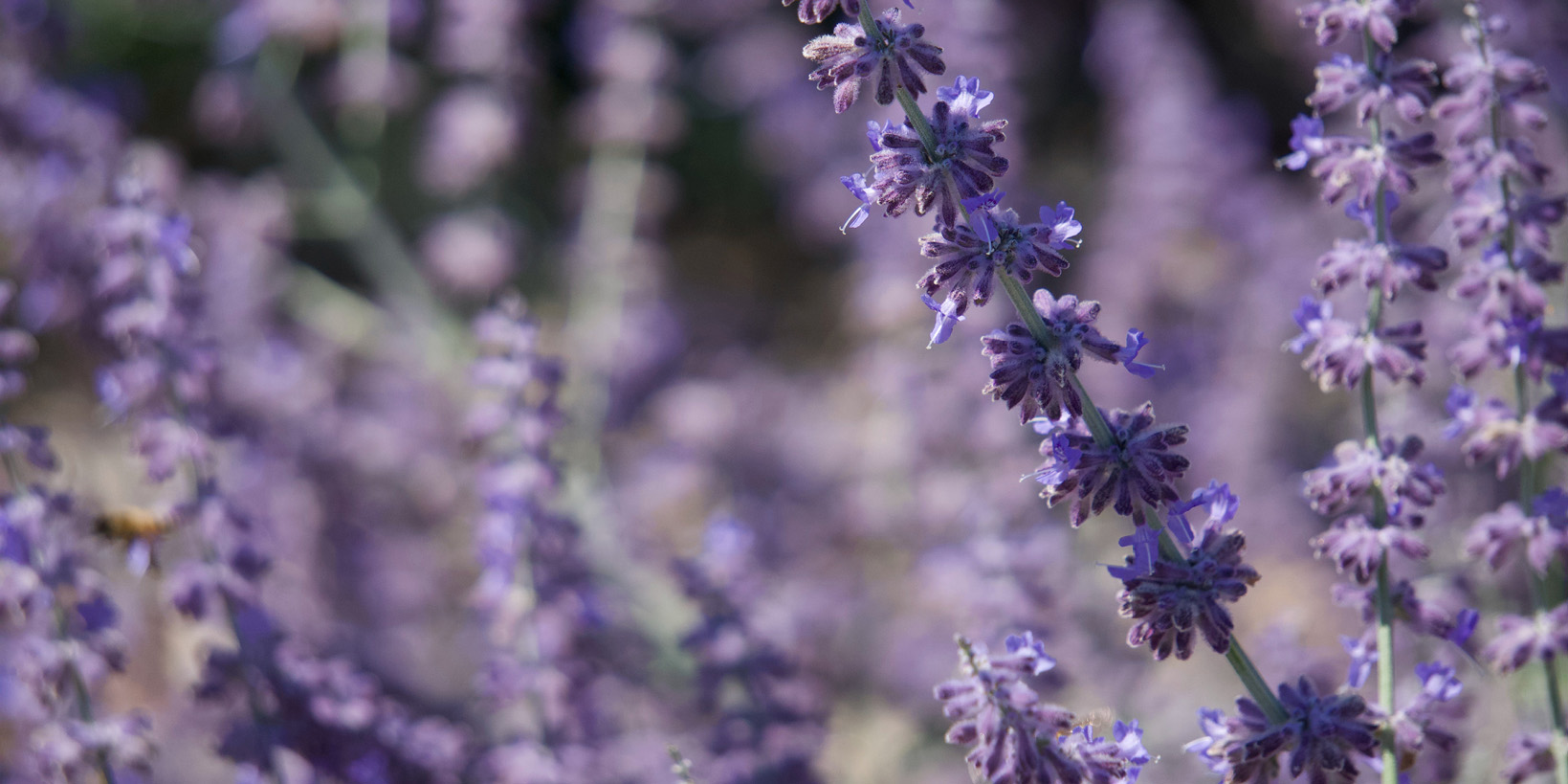
I have written previously in my blog about herbal ingredients in cosmetic products. People often feel that if a cosmetic product contains natural ingredients, then it is safe and also beneficial for the skin. Today more about lavender.
A couple of days ago I wrote that cosmeceuticals are making successful progress as an intermediate step between cosmetic products and medical products. These are products containing substances which work on ‘normal’ skin (although some people think that ageing skin is also an illness) and optimize the functioning of the skin.

Yesterday I wrote that putting anti-oxidants in cosmetic products is the ‘in thing’. But do they also work? I can say, without a doubt, that there is enough scientific evidence that anti-oxidants which are used in cosmetic products are able to eliminate free radicals. Or at least that’s what they do in test tubes. How these substances behave ‘in vivo’ (meaning when applied to the skin) is unfortunately less clear. A lot more research still needs to be carried out in this area. Despite the fact that we still don’t know exactly how anti-oxidants behave in creams, I can definitely recommend the use of anti-oxidants based on what we already do know.

There are probably very few people who haven’t heard of anti-oxidants. Vitamin supplements, health drinks and cosmetic products; if the adverts are to be believed these products are packed full of that one unique powerful anti-oxidant. What are anti-oxidants actually and what is their role in skin care products?
Although there are more than 100 different botanical ingredients that can be used in cosmetic products, the effects of only a quarter have been well researched. Of these researched ingredients, only a limited number are shown to be effective.

The trend is ‘green’ especially when considering the reports given about dangerous and toxic substances in cosmetic products. So products will frequently also contain ‘natural’ ingredients. I often receive questions as to whether it is advisable to use these so called green products.

A common occurrence in the cosmetics world is so called “angel dusting”. This means that a minimum amount of active ingredients is added to a product. The active ingredient can be placed on the ingredients list even though there is no possibility that it can have any effect.

Yesterday I wrote about the symptoms of Rosacea. It is sometimes difficult to diagnose because the symptoms of this skin disorder can vary enormously. Unfortunately there is no test available that can show that it is Rosacea.

After explaining yesterday what a moisturiser does for your skin, I am now going to tell you about its use.

I received a mail concerning babycare skin products after my story was read in a national newspaper. It was someone who had noticed that the products she used for her children contained irritants. Because I have four young children I am always scrutinizing ingredient lists on baby products. To my amazement it appears that there are a large number of baby products that are far from mild. It is also not so surprising then, that the number of skin problems amongst young children is rapidly rising.